
Imagine opening an online store, publishing helpful articles, or launching a business website. You invest time, money, and effort into creating something valuable. However, weeks pass, and hardly anyone visits your website. Your products remain unnoticed, your articles receive little traffic, and potential customers choose your competitors instead.
What is missing? In many cases, the answer is search engine optimization (SEO) or Benefit of SEO
SEO helps people discover your website when they search online for information, products, or services related to your business. Instead of relying entirely on paid advertisements or social media promotion, you can build a sustainable source of traffic through search engines such as Google.
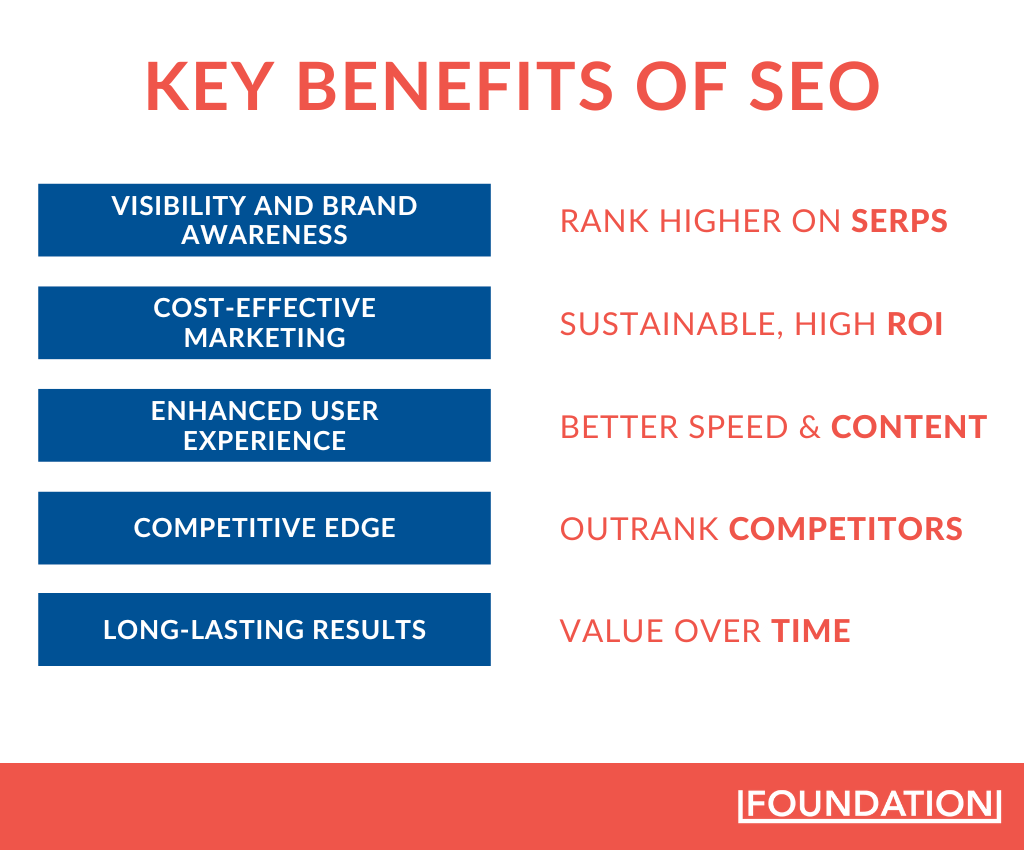
The benefits of SEO go beyond achieving higher rankings. Effective SEO can help businesses attract relevant visitors, establish credibility, generate qualified leads, improve website usability, and support long-term growth.
Whether you are a small business owner, blogger, freelancer, digital marketer, or beginner learning SEO, understanding these advantages can help you make smarter marketing decisions.
In this guide, we will explore 12 important benefits of SEO, explain how they work, and share practical examples to help you understand their real business value.
What Is SEO?
Search engine optimization (SEO) is the process of improving a website’s visibility in organic, unpaid search engine results. It involves making your content useful to readers and helping search engines discover, understand, and present your pages to relevant users.
SEO typically includes three major areas:
- On-page SEO: Optimizing content, headings, title tags, internal links, and other page elements.
- Technical SEO: Improving crawling, indexing, site structure, mobile usability, and other technical aspects.
- Off-page SEO: Building your website’s reputation through relevant backlinks, brand mentions, and other external signals.
For example, imagine someone searches for “best running shoes for beginners.” A website that publishes a helpful, well-organized guide comparing suitable running shoes may appear in the organic results if the page satisfies the search intent and competes successfully.
SEO does not guarantee a first-page ranking. Instead, it improves your website’s ability to compete for relevant searches and attract people who may benefit from your content or services.
For a more detailed introduction, explore the Google SEO Starter Guide.
12 Powerful Benefits of SEO
1. Increases Organic Website Traffic
One of the most important benefits of SEO is its ability to attract organic traffic. Organic traffic refers to visitors who reach your website through unpaid search results.
When your pages appear for relevant search queries, people can discover your website without you paying for every click.
For example, suppose you publish an article targeting the keyword “how to improve website speed.” If the article answers the question effectively and earns search visibility, it may attract visitors whenever people search for that topic.
Unlike a paid campaign that can stop generating traffic when its budget runs out, a successful organic page can continue attracting visitors over time. However, maintaining that visibility may require updates and ongoing optimization.
Why it matters: More relevant visitors create more opportunities to gain subscribers, generate leads, sell products, and build an audience.
2. Builds Brand Awareness and Recognition
SEO helps people discover your brand even before they are ready to purchase something.
Consider a digital marketing agency that publishes useful articles about keyword research, content marketing, and website optimization. Someone searching for these topics may encounter the agency repeatedly while learning about digital marketing.
Over time, these repeated encounters can make the brand more familiar.
Your business can also gain visibility through different types of searches, including informational queries, product comparisons, and searches for specific services.
For example, a person researching email marketing software might discover your educational article today and return to your website later when choosing a tool.
Why it matters: Consistent visibility helps introduce your brand to potential customers and keeps your business in consideration during their decision-making process.
3. Improves Credibility and Trust
People often use search engines to research businesses before making decisions. A website that provides clear information, useful resources, accurate details, and a professional experience can help build confidence.
SEO supports this process by encouraging businesses to create content that answers genuine questions and meets users’ needs.
Imagine two websites selling similar products. One provides detailed product descriptions, transparent pricing, useful buying guides, and clear contact information. The other contains incomplete information and outdated pages.
The first website may give customers more reasons to feel confident about their purchase.
However, appearing high in search results does not automatically prove that a business is trustworthy. Credibility also depends on the quality of your information, customer service, reputation, and transparency.
Why it matters: Trust can reduce uncertainty and help potential customers feel more comfortable engaging with your business.
4. Generates More Qualified Leads
Not every website visitor is equally valuable. Someone casually browsing your website may have little interest in purchasing, while another visitor may be actively searching for the exact service you offer.
SEO helps you target relevant search intent, making it possible to attract people who are already looking for a particular solution.
For example, compare these searches:
- “What is website design?”
- “Website design services for small businesses”
- “Hire a website designer near me”
The first search suggests an informational need. The other two indicate a stronger potential interest in hiring a professional.
By creating suitable content for each stage of the customer journey, you can help visitors move from learning about a problem to evaluating solutions and contacting your business.
Why it matters: Qualified traffic can produce better business opportunities than traffic that has little connection to your products or services.
5. Supports Long-Term Marketing Growth
SEO is a long-term marketing strategy. It usually requires research, content development, technical improvements, and regular performance monitoring before meaningful results appear.
However, the work you complete today can continue delivering value in the future.
For example, an informative article that earns relevant backlinks and maintains strong search visibility may continue attracting visitors months or even years after publication.
That does not mean SEO is a one-time task. Competitors may improve their content, search results may change, and your information may become outdated. Regular maintenance helps protect the value of your work.
Unlike some short-term promotional campaigns, SEO can create a growing collection of useful pages that attract visitors across multiple search queries.
Why it matters: Over time, a well-maintained website can become a valuable marketing asset rather than depending entirely on individual campaigns.
6. Can Reduce Customer Acquisition Costs Over Time
SEO can be a cost-effective marketing channel because organic search clicks do not carry a direct per-click advertising charge.
However, SEO is not completely free. Businesses may spend money on content writers, SEO professionals, software, hosting, technical improvements, and other resources.
The financial advantage comes from the possibility of attracting additional visitors and customers without paying for every individual click.
For example, a business might invest in creating a useful service page. If that page begins attracting qualified visitors through organic search, the business can receive inquiries without purchasing an advertisement for each visit.
To evaluate performance, compare your SEO investment with the leads, sales, and revenue it generates over a reasonable period.
Why it matters: Effective SEO can improve marketing efficiency and contribute to a better return on investment (ROI), although results depend on competition, execution, and business economics.
7. Improves Website User Experience
Good SEO involves more than keywords and rankings. It also encourages website owners to make information easier to find and use.
Visitors generally need to understand a page quickly, navigate between relevant sections, and access the information they came for.
Important improvements may include:
- Creating clear headings and logical content sections.
- Making navigation menus simple and consistent.
- Ensuring the website works well on mobile devices.
- Improving loading performance where necessary.
- Fixing broken links and confusing navigation.
- Using descriptive links and readable text.
For example, an online store with organized product categories and clear filters helps customers find suitable products more easily.
These improvements can benefit both visitors and search engine accessibility. However, better usability alone does not guarantee higher rankings or more sales.
Why it matters: A useful website makes it easier for visitors to understand your offer and complete the actions that matter to them.
8. Helps Businesses Compete With Larger Brands
Small businesses often have limited marketing budgets. Competing with established brands through expensive advertising can therefore be difficult.
SEO offers another opportunity: targeting relevant topics and specific search queries where your business can provide genuine value.
For example, a small accounting firm may struggle to compete nationally for a broad keyword such as “accounting services.” However, it might target a more specific query such as “accountant for freelancers in Manchester.”
Similarly, a specialized blog may compete for detailed informational searches by providing more useful explanations than general websites.
Success depends on competition, search intent, content quality, and other ranking factors. Smaller businesses do not automatically outrank larger competitors, but a focused strategy can help them identify realistic opportunities.
Why it matters: SEO allows businesses to concentrate on the audiences, locations, and topics most relevant to their offerings.
9. Provides Valuable Customer Insights
SEO research can reveal what people want to know, what problems they experience, and which solutions they are considering.
Keyword research, search performance reports, and website analytics can help you understand these needs.
For example, a website selling skincare products might discover that users frequently search for information about product ingredients, skin types, and application methods.
This information can guide the business in developing educational articles, improving product descriptions, and answering common customer questions.
Google Search Console can show queries that generate impressions and clicks for your website. Analytics tools can help you investigate what visitors do after arriving.
Search data does not explain every customer’s motivation, but it offers useful evidence for making better content and marketing decisions.
Why it matters: Understanding search behavior helps you create more relevant content and identify opportunities that might otherwise be overlooked.
10. Supports Other Digital Marketing Channels
SEO works best as part of a broader digital marketing strategy rather than as an isolated activity.
Its findings and content can support several other marketing channels.
For example:
- Content marketing: Keyword research helps identify useful article and guide topics.
- Social media marketing: Informative SEO content can be shared with relevant audiences.
- Email marketing: Articles can attract subscribers when paired with a useful, relevant signup offer.
- Paid advertising: Search data can help identify valuable topics and customer needs to test in campaigns.
- Public relations: Original research and expert resources can attract attention from relevant publications.
These channels can also support SEO indirectly by increasing content discovery and brand awareness.
For a deeper explanation, read Moz’s guide to the role of SEO in digital marketing.
Why it matters: Combining marketing channels helps create a more consistent experience for customers as they discover, evaluate, and interact with your brand.
11. Increases Opportunities for Sales and Conversions
Website traffic is valuable, but traffic alone does not guarantee business growth. Visitors must also find the information or products relevant to their needs.
SEO can improve conversion opportunities by attracting users with suitable search intent and directing them to helpful landing pages.
For example, someone searching for “buy ergonomic office chair” may be closer to making a purchase than someone searching for “what is an ergonomic chair.”
An online store can target these different needs with a buying guide, a product category page, and individual product pages.
To improve conversion performance, make sure your pages include:
- Clear product or service information.
- Transparent pricing where appropriate.
- Relevant customer reviews or evidence.
- Simple forms and checkout processes.
- Clear calls to action.
Measure meaningful outcomes such as purchases, qualified inquiries, bookings, and newsletter subscriptions rather than relying only on page views.
Why it matters: When SEO attracts relevant visitors and the website provides a good experience, it can contribute to measurable business results.
12. Helps Businesses Adapt to Changing Search Behavior
People increasingly discover information through a variety of search experiences, including traditional search results, video platforms, local search, and AI-powered search features.
SEO provides a foundation for making website content clear, accessible, relevant, and useful across these discovery environments.
For example, a detailed tutorial may answer a user’s question through a traditional search result, while a supporting video can help explain the same process visually.
To prepare your website for changing search behavior:
- Answer important questions directly.
- Use descriptive headings and meaningful page titles.
- Publish accurate, original, people-first content.
- Organize related pages into logical topic clusters.
- Keep important information current.
- Make sure search engines can access and understand your pages.
These practices can improve your content’s usefulness and discoverability. However, no SEO method guarantees inclusion in AI-generated answers or any particular search feature.
Why it matters: A clear and helpful website is better positioned to serve users as their methods of discovering information evolve.
How SEO Benefits Different Types of Businesses
The value of SEO depends on your business model, audience, and goals.
| Business type | Main SEO benefit | Practical example |
| Small businesses | Local visibility and inquiries | A plumber appearing for relevant service searches |
| E-commerce stores | Product discovery and sales opportunities | Product pages targeting specific buyer searches |
| Bloggers | Consistent readership | Articles answering common informational questions |
| Freelancers | Personal brand and client acquisition | A portfolio appearing for relevant service queries |
| SaaS companies | Product education and qualified leads | Guides comparing solutions to customer problems |
| Educational websites | Audience growth | Tutorials answering specific learning questions |
The same SEO strategy will not work equally well for every business. A local service provider may prioritize location-based searches, while a publisher may focus on informational content and topic coverage.
Start by identifying your audience, business objectives, and the search queries that connect the two.
How to Start Benefiting From SEO
You do not need an expensive SEO campaign to begin improving your website. Start with the fundamentals and build on your results.
Step 1: Understand Your Audience
Identify the people you want to reach and the problems your website can solve.
Think about their questions, needs, purchasing decisions, and level of knowledge.
Step 2: Conduct Keyword Research
Find relevant search terms and assess their intent, competition, and potential value.
For example, a beginner learning digital marketing might target a specific educational query rather than immediately competing for a broad, highly competitive term.
Step 3: Create Helpful Content
Publish original, well-structured content that answers the searcher’s question.
Use headings, examples, short paragraphs, and relevant supporting information to make your content easy to understand.
Step 4: Optimize Important Pages
Write clear title tags and meta descriptions, use descriptive headings, add relevant internal links, and make sure each page has a clear purpose.
Avoid forcing keywords into every paragraph. Natural language and useful information matter more than repetition.
Step 5: Improve Technical SEO
Check whether search engines can crawl and index your important pages. Review mobile usability, broken links, page performance, and website security. This is also the one important point to get benefit of SEO.
Step 6: Measure Your Results
Use Google Search Console to monitor search impressions, clicks, queries, and indexing issues.
Use suitable analytics tools to understand visitor behavior and conversions.
SEO improvements may take weeks or months to produce noticeable results. Review performance regularly and use the evidence to guide your next steps.
For additional beginner guidance, explore the Google SEO Starter Guide.
Are There Any Disadvantages of SEO?
Although SEO offers significant advantages, it also has limitations.
First, results are not immediate. New websites and competitive topics may require substantial time and effort before gaining visibility.
Second, rankings are not guaranteed. Search engines continually evaluate pages, and competitors may improve their content.
Third, SEO requires ongoing work. Content needs updating, technical problems need attention, and business goals may change.
Finally, attracting visitors does not guarantee sales. If your products, pricing, landing pages, or customer experience are weak, additional traffic may not produce the results you expect.
The best approach is to treat SEO as a long-term investment, set realistic expectations, and measure its contribution to your business goals.
Conclusion: Why SEO Matters for Long-Term Business Growth
The benefits of SEO extend far beyond higher search rankings. A well-planned strategy can help your website attract organic traffic, increase brand awareness, build credibility, generate qualified leads, improve user experience, and create more opportunities for conversions.
However, SEO works best when it focuses on people rather than search engines alone. Publishing helpful content, understanding search intent, maintaining a technically accessible website, and measuring meaningful results are essential parts of sustainable growth.
You do not need to implement every SEO technique at once. Start with keyword research, improve your most important pages, and gradually build a stronger online presence.
Ready to improve your website’s visibility? Start by reviewing your current content, identifying relevant keyword opportunities, and creating one genuinely helpful page for your target audience. Small, consistent improvements can form the foundation of a stronger SEO strategy.